
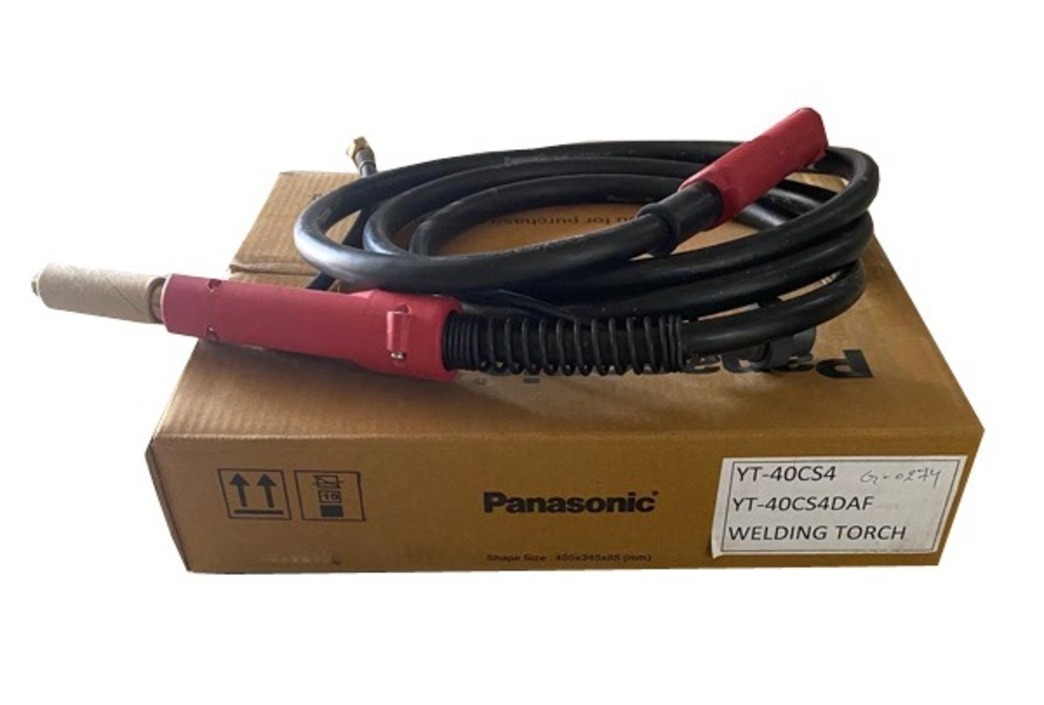
A MIG Welding Torch is an essential component of any MIG welding setup because it directly controls wire feeding, shielding gas delivery and operator handling during the welding process. Selecting the right torch can improve welding efficiency, reduce downtime and help fabrication units achieve consistent weld quality.
In Pune’s industrial landscape, where automotive suppliers, engineering workshops and fabrication companies handle different welding applications, choosing suitable welding accessories is important for maintaining production standards. A MIG welding torch should be selected based on welding current capacity, application type, working duration and compatibility with the welding machine.
The main factors to consider while selecting a MIG welding torch include:
Current capacity: The torch should support the required amperage level for the welding application. Heavy fabrication work may require higher-capacity torches compared to light fabrication projects.
Duty cycle: Continuous welding operations need torches designed to handle longer working periods without overheating.
Cable length: The appropriate cable length provides better operator movement while maintaining stable welding performance.
Cooling system: Air-cooled and water-cooled torches are selected based on welding intensity and operating conditions.
Consumable availability: Easily available nozzles, contact tips and liners help simplify maintenance.
A quality MIG welding torch supports smooth wire movement and consistent gas flow, which are important for creating strong and clean weld joints. Poor-quality or unsuitable torches can lead to problems such as irregular welding arcs, excessive spatter and frequent replacement of parts.
Industries should also consider the type of material being welded. Different applications involving mild steel, stainless steel or thicker materials may require different torch specifications.
Weld Tech Corporation provides welding equipment solutions and accessories for businesses in Pune requiring dependable MIG welding systems. The company supports industrial users with suitable welding products based on their operational requirements.
Proper maintenance can increase torch life. Regular cleaning, checking contact tips and replacing damaged components help maintain stable performance. Operators should also inspect cable connections and gas flow regularly to prevent interruptions during fabrication work.
For workshops and manufacturing units, selecting the right MIG welding torch is a practical step toward improving welding productivity, reducing maintenance requirements and achieving better fabrication results.