
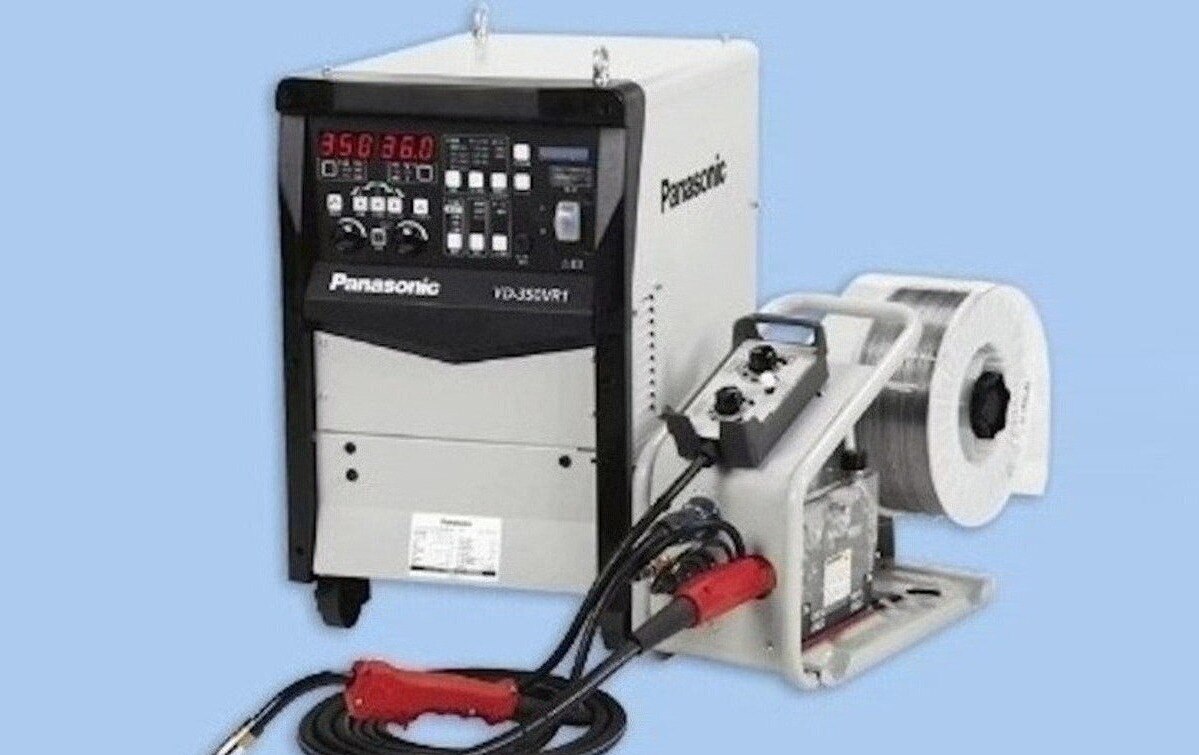
The answer depends on more than the daily hire rate: you need to match the machine to the electrodes, power supply, duty cycle and job duration, then compare every rental and ownership cost. By the end, you will have a practical break-even method, a quote checklist and a site-suitability test for deciding whether temporary inverter capacity earns its cost.
Key takeaways
- Rent when transport, access or short duration outweighs repeated machine ownership.
- Match output current and duty cycle to your electrode diameter and weld schedule.
- Compare cables, holder, earth clamp, generator use, delivery and repair support.
- Break even by comparing rental days with ownership, maintenance and downtime costs.
What an inverter DC ARC machine changes—and when renting makes sense
An inverter DC ARC welder converts incoming electrical power into a controlled DC welding output through electronic switching. Compared with a transformer-based stick machine, it delivers similar SMAW capability in a smaller, lighter package, which matters on rooftops, ladders, shutdowns and remote pipe runs. It does not automatically produce better welds.
| Machine type | Main advantage | Limitation |
|---|---|---|
| Inverter DC ARC | Lower weight and volume; easier transport and handling | Electronic boards need protection from heat, dust, moisture and poor power |
| Transformer stick | Simple, rugged construction and familiar servicing | Heavier, less convenient to move and often less efficient to transport |
Inverter arc welding rental makes sense when job duration is uncertain, work is project-based, or you need temporary capacity for an outage or workload peak.
The inverter dc arc welding machine for rental value comes from avoided ownership costs, not only the daily rate: depreciation, storage, maintenance, certification, finance charges and keeping a backup machine available.
Compare the quotation against ownership using:
- Rental, delivery, pickup and setup charges
- Consumables, transport and operator time
- Damage fees, deposit and minimum hire period
- Purchase, financing, service and residual value
Choose a transformer machine when it will remain in one location, rough handling is unavoidable, or long-term reliability outweighs portability. Choose an inverter only after confirming its DC output suits the electrode and job; it cannot replace AC stick, aluminium TIG or wire-welding equipment.
Specify lead length and conductor size in the hire order. Long, undersized leads and corroded connections cause voltage drop, local heating and an unstable arc. Have the agreement state who pays for failed electronics, burned plugs, damaged leads, lost accessories and unauthorised repairs, plus the replacement response time.
Match the machine to your electrodes, weld and work pattern
Confirm the procedure before you accept a dc arc machine hire quote: write down the electrode classification and diameter, base metal, welding position, target amperage and expected weld time. Ask the supplier to match each item to the machine manual, not its headline output.
- Verify polarity. E6010, E6011, E6013 and low-hydrogen E7018 electrodes do not all use the same polarity or arc behaviour.
- Check the diameter range. Continuous 1/8-inch or 5/32-inch E7018 work demands more sustained output than occasional small repairs.
- Request the current and duty-cycle table at your actual electrode size and work pattern. A “250-amp” label does not mean 250 amps continuously.
- Confirm the machine suits every welding position in your procedure. An electrode that runs well flat may behave differently overhead or vertical-up.
- Reject standard DC SMAW equipment when the job needs AC stick output, aluminium TIG, wire welding or another process the unit does not support.
Compare duty-cycle figures at the same amperage, ambient temperature and test standard. Under the usual 10-minute interpretation, 60% means six minutes welding and four minutes cooling at that rated output; IEC 60974-1 commonly uses a 40°C reference.
Specify lead length and conductor cross-section in the hire agreement. Long, undersized cables cause voltage drop, while loose or corroded connections create heat and an unstable arc. Ask how VRD changes arc starting, then confirm its behaviour suits your electrode and procedure.
Compare the complete hire package, not the machine-only rate
A machine-only rate is not the dc arc machine hire price you will actually pay. Compare the complete package, because separate charges for leads, delivery or a damaged accessory can erase an attractive daily rate.
| Quote detail | Confirm in every quotation | Why it changes the cost |
|---|---|---|
| Machine and output | Amperage range, duty cycle, DC polarity, VRD, input phase and plug | A machine that cannot match your electrode or site supply creates downtime |
| Welding accessories | Electrode holder, work clamp, input lead, cable lengths and conductor cross-sections | Missing or undersized leads cause extra rental charges, voltage drop and unstable arcs |
| Handling equipment | Shoulder strap, cart and remote control where required | Poor portability adds labour and setup time |
| Logistics | Delivery, pickup, loading, site access, travel charges and minimum hire period | A low daily rate can become expensive on a short job |
| Commercial terms | Deposit, GST or other taxes, consumables, extension rates and cancellation fees | Compare the invoice total, not the advertised rate |
| Damage and failure | Liability for burned plugs, damaged leads, lost accessories, contamination and unauthorised repairs | These clauses can exceed the hire charge after an incident |
| Support | Replacement or repair response time, out-of-hours contact and inspection records | Production work needs a remedy, not only a warranty statement |
Ask the supplier to itemise each line and state whether electrode cables are included for the full hire period. Then compare total delivery-to-return cost against the downtime a failed inverter would cause. That figure is the real arc welding machine rental value.
Calculate rental value with a break-even model
Renting beats buying when the rental bill plus project costs is lower than ownership cost after avoided downtime is credited. Compare the full numbers, not the daily rate against the machine’s purchase price.
For a clear inverter dc arc welding machine for rental value calculation, use:
Total rental cost = hire charge + delivery and pickup + setup or operator time + consumables + deposit or damage exposure.
Total ownership cost = purchase or finance payments + maintenance and inspection + storage and transport + backup-machine availability − resale value.
Then subtract the production loss the rental prevents. A machine that keeps an outage job moving can justify a high hire charge if one idle shift costs more than the rental.
| Work pattern | Break-even test | Likely result |
|---|---|---|
| Short, uncertain job | Rental total minus avoided downtime versus ownership total for the same period | Rental wins if buying leaves a stranded asset |
| Recurring monthly work | Annual hire cost versus annual ownership, service and backup costs | Buying wins once repeated hire exceeds ownership cost |
| Standby requirement | Hire cost versus purchase, storage and readiness cost | Rental wins when the machine may sit unused |
For accurate arc welding machine rental value, confirm who pays for these cost drivers:
- Failed control boards, burned input plugs and damaged leads
- Lost holders, clamps, adapters and remote controls
- Delivery delays, replacement time and unauthorised repairs
A short rental can still be poor value if the contract exposes you to a full replacement charge or a two-day repair delay. Include the supplier’s response time in the break-even calculation, especially when welding supports production-critical work.
Clear the electrical, inspection and support risks before delivery
Before delivery, have a qualified electrician and the rental supplier confirm that the site can supply the machine without nuisance trips, overheating or arc instability. Do not approve an inverter arc welding rental from its welding-current rating alone.
1. Match the nameplate to the supply: nominal voltage, three-phase connection, 50 or 60 Hz frequency, maximum input current, phase sequence and plug configuration. Confirm the circuit breaker, earthing and distribution board rating.
2. If you will use a generator, record its continuous—not standby—kVA rating, voltage regulation, frequency stability, earthing arrangement and minimum generator size specified by the supplier. Confirm that the extension cord has the required conductor size and length; excessive voltage drop wastes the inverter’s capacity.
3. Inspect the route to the work area. Check door widths, stairs, lifting access, dry storage, ventilation, cable paths and protection from conductive dust, rain and standing water. Long welding leads need the specified conductor size, and every connection must be clean and tight.
4. Record the serial number, display condition, error codes, cooling passages, output terminals, cable insulation, electrode-holder jaws and earth clamp before handover. Test the machine under load and verify VRD behaviour, including how the arc reactivates.
5. Put failure terms in writing: responsibility for electronics, burned plugs, damaged leads, missing accessories, contamination and unauthorised repairs; also state the replacement or repair response time. Weld Tech Corporation can help structure this pre-delivery record so a production stoppage does not become a contract dispute.
Related products
 | DC ARC Welding machine Inverter Controlled DC ARC Welding MODEL YD-400AT3 DJR INPUT SUPPLY 415 + - 20% PHASE / FREQUENCY THREE / 50-60 HZ POWER CONSUMPTION 17.6 KVA/16.7 KW WELDING CURRENT RANGE 20-400AMP... View product → |
 | Welding machine Panasonic Inverter Welding Machines Brand Panasonic MODEL YD-400RX 1 INPUT SUPPLY 415 +10% -20% PHASE THREE /50-60HZ POWER CONSUMPTION 16.2KVA/15.6KW WELDING CURRENT RANGE 50-400AMP... View product → |
Frequently asked questions
When does renting an inverter DC ARC machine make business sense?
Rent when the work is short-term, mobile or difficult to access, or when buying would leave a machine idle between projects.
How do you match an inverter DC ARC machine to the job?
Check electrode type and diameter, required amperage, duty cycle, available power and the length of your weld shifts before hiring.
What should an inverter arc welding rental package include?
Compare the machine with electrode holder, work clamp, welding leads, power cable, delivery, generator requirements, inspection records and repair support.
How can you calculate the rental value of a DC ARC machine?
Compare total rental cost for the project with ownership cost, including purchase, transport, maintenance, inspections, financing and downtime.
What risks must you clear before delivery?
Confirm electrical supply, earthing, protection, inspection status, cable condition, operator requirements and the support process for breakdowns.