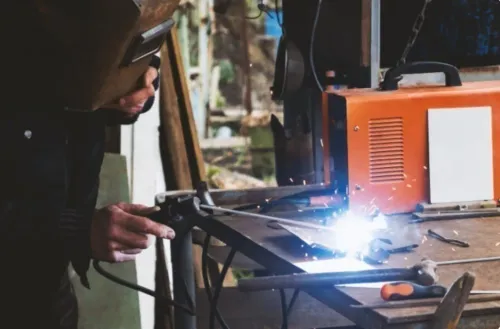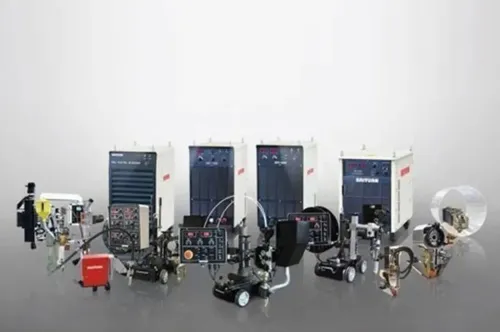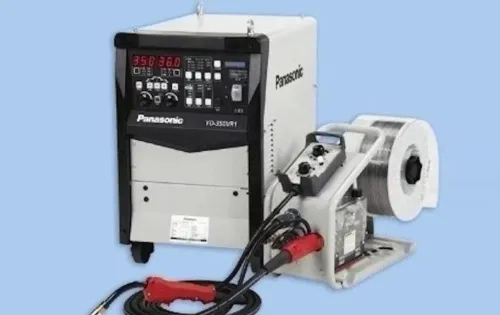

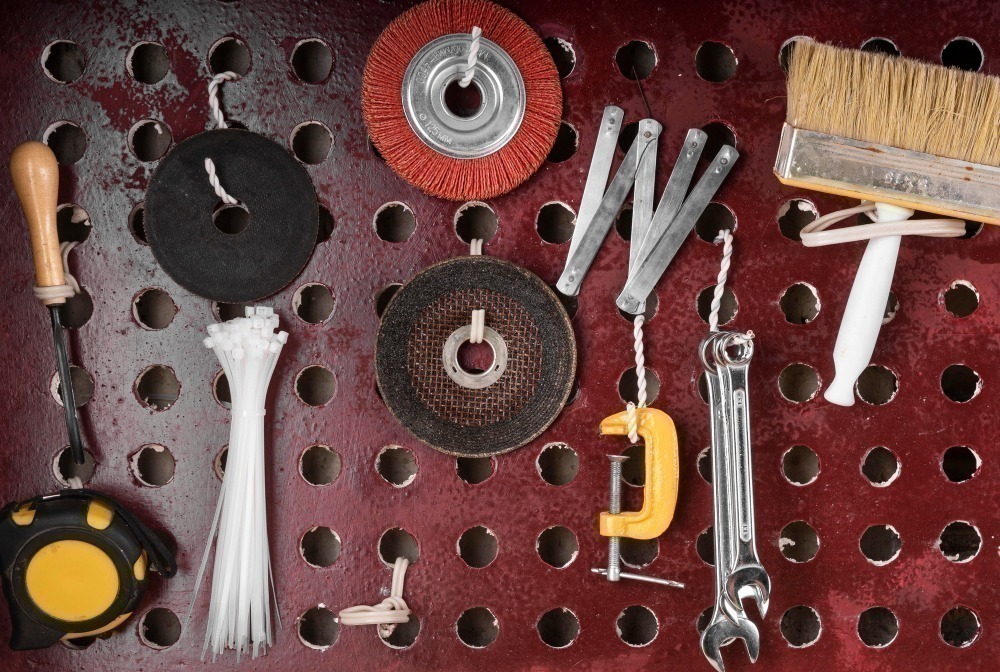
Welding consumables directly affect weld quality, productivity and overall fabrication performance. Choosing the correct consumables is essential for industries in Pune that depend on reliable welding operations.
Welding consumables include materials that are used during the welding process, such as:
MIG welding wire
Electrodes
Plasma cutting consumables
Filler materials
Shielding gas-related components
Each welding application requires consumables that match the base material and welding method. Using unsuitable materials can result in weak joints, excessive spatter, poor finishing and increased rework.
MIG welding wire is one of the most commonly used consumables in industrial fabrication. The correct wire selection depends on factors such as material composition, thickness and required weld strength.
For example, fabrication work involving mild steel may require different welding wire specifications compared to stainless steel applications. Similarly, plasma cutting consumables need to match cutting equipment to maintain accuracy and efficiency.
Industries should consider the following points when selecting welding consumables:
- Material compatibilityThe consumable should match the metal being welded.
- Welding processMIG, TIG and arc welding processes require different consumable types.
- Operating conditionsHeavy-duty industrial environments may require consumables designed for continuous use.
- Storage practicesProper storage prevents moisture damage and maintains product quality.
Pune’s engineering and manufacturing sectors rely on consistent welding performance for equipment fabrication, automotive components and industrial structures. Quality consumables help reduce downtime and improve production reliability.
Weld Tech Corporation supplies welding consumables and related equipment solutions for businesses requiring dependable fabrication support. Selecting suitable consumables helps companies achieve better weld appearance, strength and operational efficiency.
A planned approach to consumable selection can reduce unnecessary expenses caused by rework and material wastage. Businesses that understand their welding requirements can improve productivity while maintaining consistent fabrication standards.